

colored frosted glass
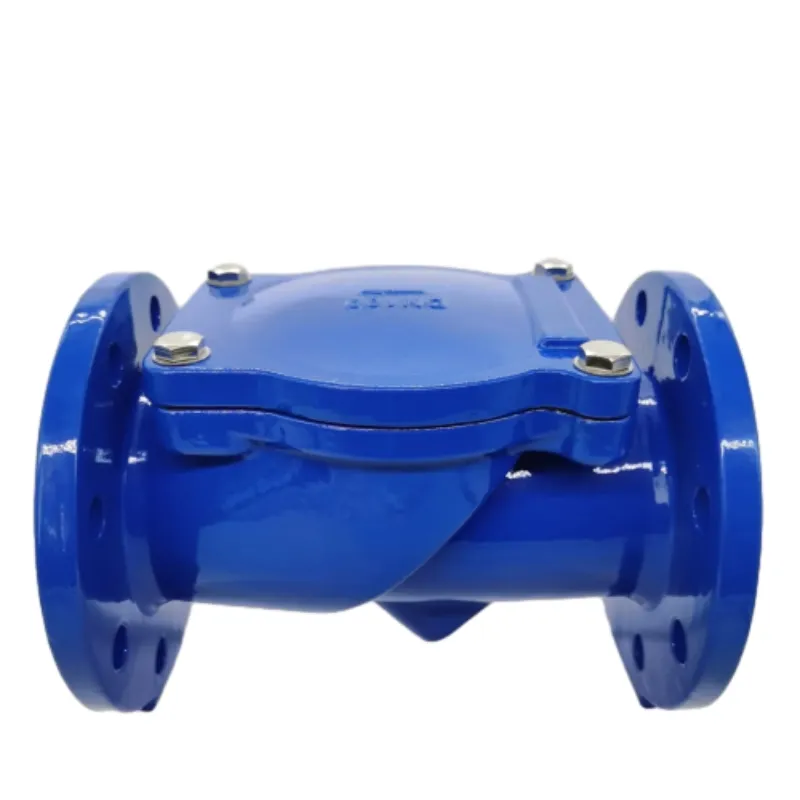
Understanding the 16% Globe Valve A Critical Component in Fluid Control When it comes to managing the flow of fluids in various industrial applications, valves play a crucial role. Among the many types of valves available, the globe valve stands out for its effectiveness in regulating fluid flow. This article will delve into the specifics of the 16% globe valve, its design features, applications, and advantages that make it a popular choice in numerous industries. What is a Globe Valve? A globe valve is a type of linear motion valve that is used to start, stop, or regulate the flow of liquid or gas. The design of the globe valve consists of a spherical body with a movable disc or plug that acts against a stationary ring seat. This configuration allows for significant control over fluid flow, making it an excellent choice for throttling applications. The 16% Globe Valve Explained The term 16% globe valve typically refers to the flow characteristic of the valve. Specifically, a 16% globe valve is designed to have a flow coefficient (or Cv) that allows for a 16% change in flow rate relative to an adjustment in the valve positioning. This feature is particularly useful in applications where precise flow regulation is necessary. This design aspect enables operators to fine-tune fluid flow according to the needs of the system, enhancing overall operational efficiency. Construction and Design Features The construction of a 16% globe valve includes key components that contribute to its functionality 1. Body The valve body is often made from high-quality materials such as stainless steel, brass, or cast iron, depending on the application requirements. The robust body design supports high pressure and temperature applications. 2. Disc/Plug The disc or plug is usually made from durable materials to withstand wear and tear. Its design is critical for controlling the flow rate and preventing leakage. 3. Seat The seat is the component against which the disc compresses to create a seal. A well-designed seat enhances performance by ensuring minimal leakage when the valve is closed. 4. Bonnet The bonnet provides access to the internal components for maintenance and facilitates the connection to an actuator or manual control mechanism. 16 globe valve 5. Actuation Globe valves can be either manually operated or automated using electric or pneumatic actuators, making them versatile for various applications. Applications of 16% Globe Valves 16% globe valves are commonly found in various industries, including - Oil and Gas They regulate the flow of crude oil, natural gas, and refined products within pipelines. - Water Treatment In water treatment facilities, these valves control the flow of water and additives in the purification process. - Chemical Processing They manage the flow of raw materials and chemicals throughout processing plants. - HVAC Systems Globe valves are used to maintain appropriate flow rates in heating, ventilation, and air conditioning systems. Advantages of Using 16% Globe Valves 1. Flow Control The primary advantage of using a 16% globe valve is its ability to provide precise control over fluid flow. This is essential for processes that require exact flow rates. 2. Durability The robust construction of globe valves ensures longevity, even in harsh operating conditions. This resilience translates to lower maintenance costs and improved reliability. 3. Versatility Globe valves can be used in a wide variety of applications, thanks to their adaptive designs and the ability to handle various fluid types and pressures. 4. Reduced Turbulence The design of globe valves minimizes turbulence, leading to a more stable flow and less wear on piping systems. 5. Ease of Maintenance Most globe valves are designed for straightforward maintenance. Their construction allows easy access to internal components, making it easier to perform repairs or replacements when needed. Conclusion The 16% globe valve is an invaluable component in fluid control systems across multiple industries. Its design allows for precise regulation of flow, durability to withstand tough conditions, and versatility for various applications. By understanding the unique features and benefits of the 16% globe valve, engineers and operators can make informed decisions that enhance the efficiency and reliability of their systems. As industries continue to evolve, the importance of reliable valves like the globe valve will only increase, playing a vital role in the seamless operation of fluid management systems.
about
colored frosted glass
Butterfly valves are a type of quarter-turn valve that is used to control the flow of liquids or gases in various industrial applications. They are commonly used in pipelines to regulate the flow of fluids and are known for their compact design and ease of operation. One of the key factors to consider when selecting a butterfly valve is the price. The cost of a butterfly valve can vary depending on factors such as size, material, and brand. However, one thing is for sure - butterfly valves are generally more cost-effective than other types of valves such as gate valves or globe valves. The price of butterfly valves can range from as low as $50 to as high as $5000, depending on the size and material. For example, a small, 3-inch butterfly valve made of PVC may cost around $50, while a larger, 12-inch butterfly valve made of stainless steel could cost upwards of $1000 butterfly valve price . When comparing butterfly valve prices, it is important to consider the quality and durability of the valve. Cheaper valves may not be as reliable or long-lasting as more expensive ones, so it is important to weigh the cost against the benefits of investing in a higher-quality valve. In addition to the cost of the valve itself, there are also other factors to consider when determining the overall price of a butterfly valve. Installation costs, maintenance expenses, and potential downtime due to valve failures should all be taken into account when budgeting for a butterfly valve. Overall, butterfly valves are a cost-effective option for controlling the flow of liquids or gases in industrial applications. By comparing prices and considering the long-term benefits of investing in a high-quality valve, businesses can make an informed decision on which butterfly valve is best suited for their needs.
-

High quality industrial productsagement

High quality industrial products
View Details -

Meet the diverse needs of customers

Meet the diverse needs of customers
View Details -

Strict quality control

Strict quality control
View Details -

Top raw materials

Top raw materials
View Details -

Trusted supplier

Trusted supplier
View Details
Our application


news and information

Y Type Strainer Applications and Benefits for Efficient Fluid Management
The Importance of Y-Type Strainers in Industrial Applications Y-type strainers play a crucial role i
valve china
Valve Corporation, a name synonymous with gaming excellence and innovation, has strategically establ

Versatile 4x6 Welding Table for Efficient Metal Fabrication and DIY Projects
Enhancing Your Workshop with a 4x6 Welding Table When it comes to welding, having the right workspac
 English